



Monitoring data suggests there are opportunities to enhance post harvest handling of bananas to deliver more consistent fruit quality.
Banana consignments risk market rejection if they arrive over-ripe or with chilling injury, often caused by dispatching, consolidating and/or transporting fruit at unsuitable temperatures. Monitoring of 51 Cavendish consignments using real-time autonomous data loggers across domestic and export supply chains revealed several areas for improvement. Here is a snapshot of the findings:
80% of consignments were dispatched at temperatures exceeding 20°C. Fruit should be pre-cooled to 13-14°C before being dispatched.
Warmer handling temperatures were linked to consignment rejection due to fruit arriving in the domestic market with advanced peel colour.
Export fruit underwent inconsistent ethylene gas-ripening, ranging from 1-3 days at 15-17°C.
Approximately 25% of domestic road freight loads and nearly 70% of airfreight export shipments experienced temperatures below 13°C for periods ranging from 6 hours to 9 days.
Export consignments were exposed to temperatures below 13°C when transported with mixed commodity loads requiring lower storage temperatures (e.g. 5°C).
While monitoring the consignments, controlled supply chain simulation trials were conducted to assess the effects of various handling scenarios on fruit quality. These trials provided a clearer understanding of the impact of postharvest handling. Here is a snapshot of the findings:
Pre-cooling of fruit from an ambient 31°C to 14°C in 6 hours reduced rates of peel colour development by 22% compared to bananas that were gradually cooled to 14°C during 4 days of simulated road transport.
A standard ethylene treatment with 100 parts per million of ethylene for 2 days at 16°C was optimal for coordinating rapid uniform fruit ripening.
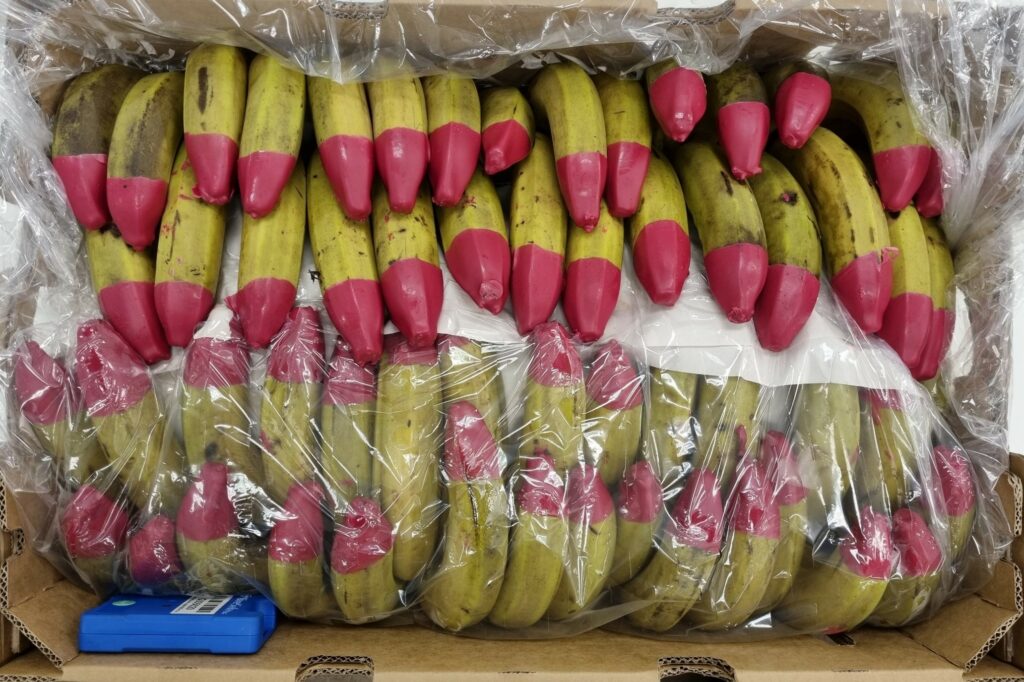
Exposure of summer produced fruit to temperatures of 10-12°C for 24-48 hours was sufficient to cause visible chilling injury, which could lead to consignment rejection.
Insulated packaging was identified as an option to reduce the risk of fruit developing chilling injury.
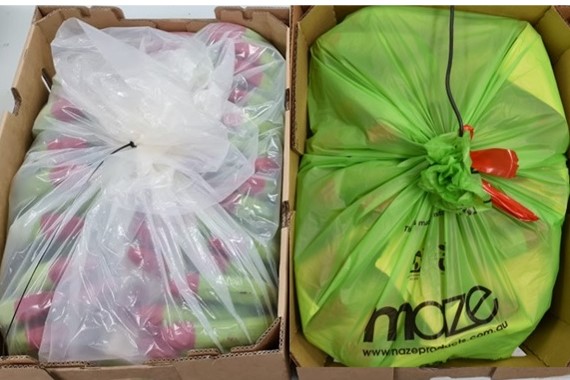
Modified atmosphere packaging (MAP) was found to extend the fruit storage life by 1-2 days and reduce the risk of mould development 10-fold relative to standard perforated plastic liners during simulated sea freight for 3-4 weeks.
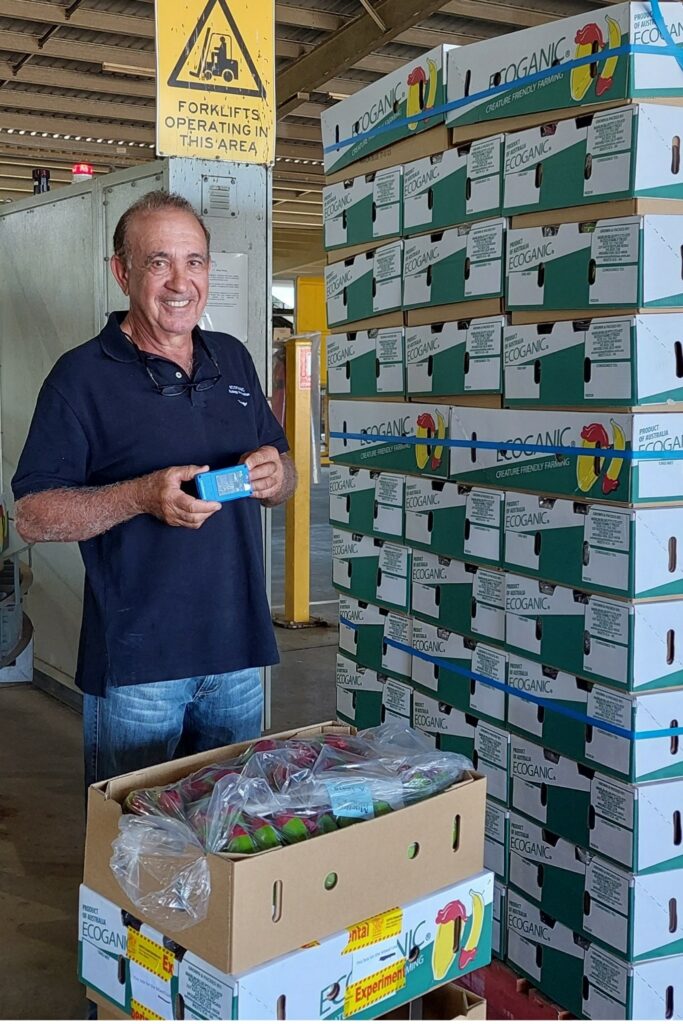
Affordable real-time temperature dataloggers provide alerts if fruit are handled too warm or cold, enabling rapid intervention to reduce losses. Monitoring consignments safeguards grower returns, strengthens logistics, and helps cut food waste. (Factsheet for more information)
Regular monitoring, communication and sharing of information between supply chain partners is critical for increasing trust and collaboration and improving fruit quality outcomes.
Insulated packaging can slow rates of fruit cooling in cold storage environments, with Air-cell liners extending protection by 6-7 hours and Styrofoam boxes by up to 19 hours. Prompt transfer to 14-15°C on arrival prevents damage, reduces waste, and maintains quality. (Fact sheet for more information)
MAP, including biodegradable options, offers producers and exporters an effective solution to maintain fruit freshness and reduce waste. (Fact sheet for more information)
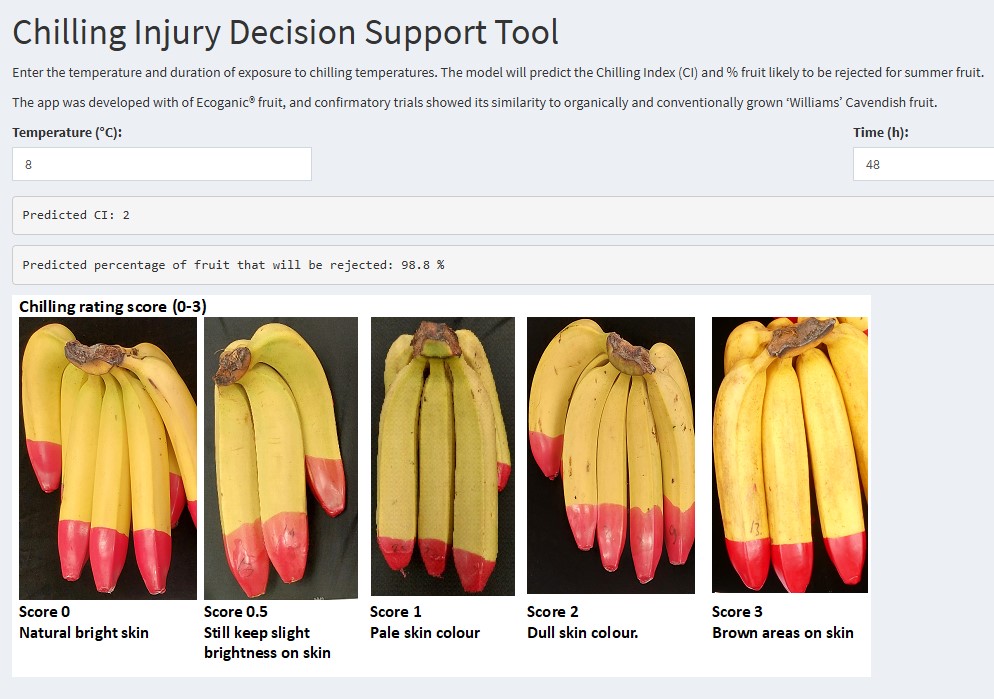
The Ripen Right app for predicting fruit chilling and ripening outcomes is now available (see below)
This interactive app is designed to support informed decision making by growers and their supply chain partners to reduce banana waste by predicting chilling injury risk and fruit ripening outcomes. Developed from over five years of research, it combines real-world monitoring, laboratory trials, and fruit assessments to guide supply chain decisions. The Chilling Injury Tool estimates rejection risk from low-temperature exposure, while the Colour Development Tool predicts peel colour stage from temperature–time data for post-ripened fruit. Together, they support growers, packers, and exporters to optimise storage, transport, and ripening practices, reducing industry losses and ensuring better fruit quality at market.
If you want to get in touch with the researchers of this work, contact the DPI Banana Extension team via email: betterbananas@dpi.qld.gov.au
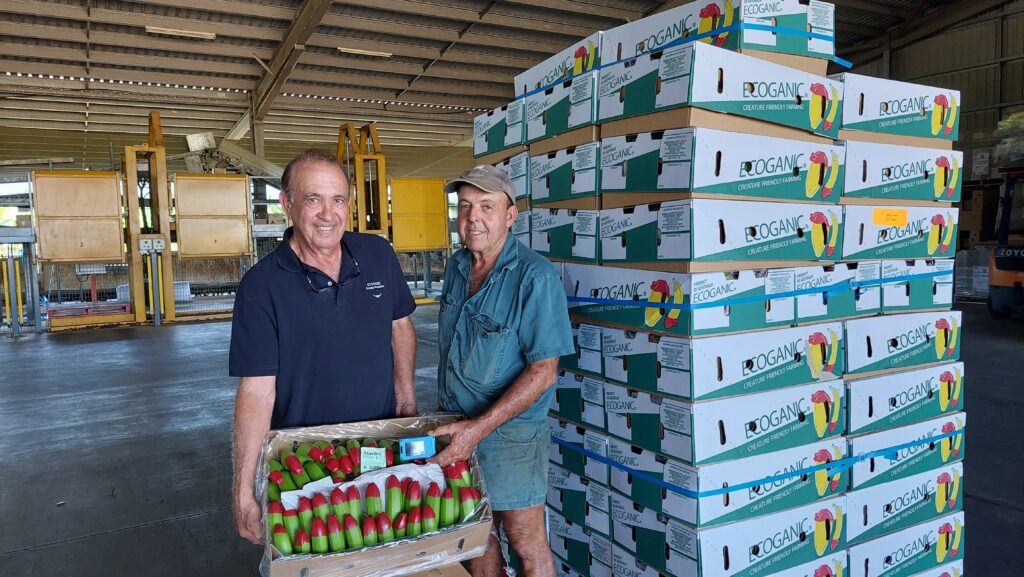
This collaborative work was undertaken with Pacific Coast Eco Bananas growers and their Ecoganic®, organic and conventional fruit. We thank them for their collaboration and willingness to share insights with the broader industry.