


Prepare now for peak banana rust thrips season!

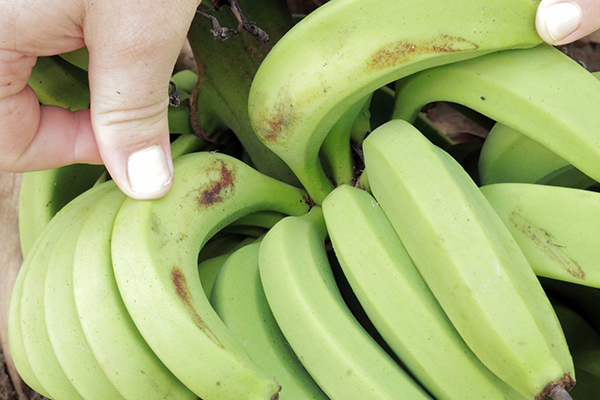
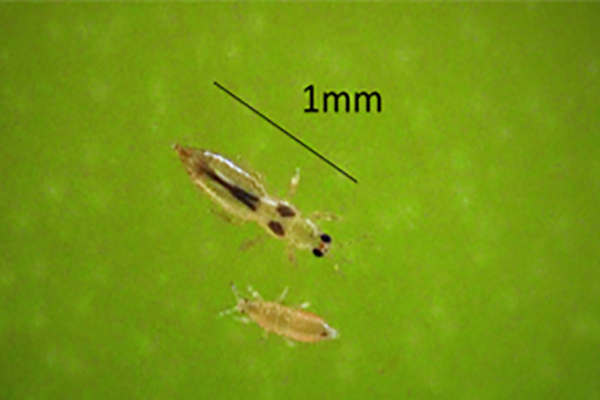
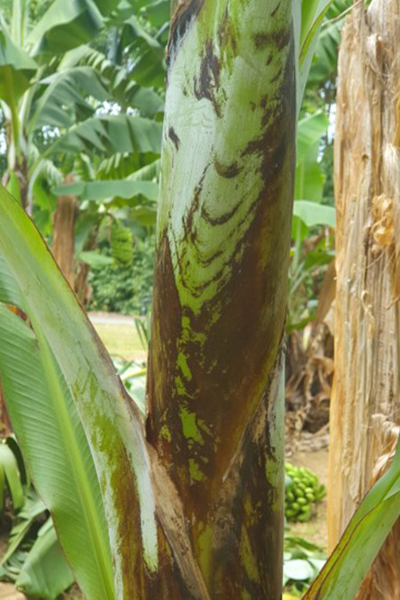
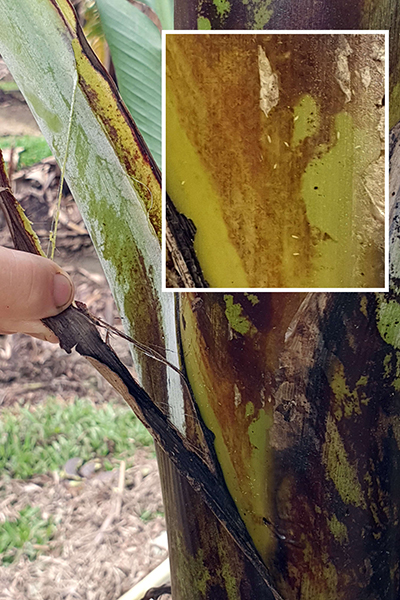
With summer fast approaching, warmer weather will soon drive an increase in thrips activity. The peak pressure period for banana rust thrips is typically from November to April, making now the ideal time for growers to review their bunch pest management practices.

This includes scheduling regular maintenance and calibration of spray equipment, increasing bagging frequency where required, and checking in with staff to ensure application techniques remain effective and consistent. It’s also a good opportunity to discuss any pest pressure or field observations being seen across the farm.

Key reminders:

  • Apply bunch covers or liners as early as possible and ensure they are tied tightly around the bunch stalk of newly emerged bells to reduce banana rust thrips damage.

  • Consider trialling a flue or chimney at the top of plastic bunch covers to improve airflow and help reduce the risk of fungal diseases, particularly where covers are applied early.

  • Check bunch covers for tears, holes or other damage that may reduce protection, and ensure covers are long enough to adequately protect all hands of the bunch.

  • Check that the correct amount of insecticide concentrate is being mixed according to label directions.

  • Apply spray volume in accordance with the product label, ensuring all hands within the bunch are wetted, especially the upper hands, while avoiding excessive runoff.

  • Inspect nozzles regularly for wear, damage or blockages, as worn nozzles can significantly alter spray volume, droplet size and coverage.

  • Inspect bunches regularly during fruit filling for signs of rust thrips damage. Monitor damage levels to assess whether current control measures are effective or whether adjustments are required.

  • Consider supplementary ground sprays if damage persists despite satisfactory spray coverage, application timing and bunch protection. Use ground sprays only when bunch sprays alone are insufficient during periods of high pest pressure, noting that they may impact beneficial insects. For best results, apply ground sprays under dry conditions before peak pressure periods.

  • Use Group 4A insecticides registered for stem treatment in bananas (e.g. imidacloprid) with caution, as they can trigger mite flare-ups, particularly during hot, dry conditions when mites are more likely to become problematic.

Resources available:

A range of banana rust thrips resources is available on the Better Bananas website, including information on pest biology and lifecycle, monitoring techniques, and management options to support effective control throughout the summer season. Click here!

Need further assistance?

For advice on banana bunch pest management, contact the DPI Banana Extension Team through the National Banana Development and Extension Program at betterbananas@dpi.qld.gov.au.

This seasonal update has been produced by:
National Banana Development and Extension Program (BA25001)
This project is funded by Hort Innovation, using the banana research and development levy, co-investment from the Department of Primary Industries and contributions from the Australian Government. Hort Innovation is the grower-owned, not-for-profit research and development corporation for Australian horticulture.
Hort innovation logo